Saturday, March 18, 2023

Grow Your Wealth: Top 5 Profitable Agri-Business Venture Categories for 2023

The Starter Investor Ideas on Agribusiness Venture Categories

Effective from our update on April 5, 2023, we have rebranded from Marginal Investor to The Starter Investor. For additional details, please visit our About Us page.


Updated April 5, 2023

Top 5 Profitable Agri-Business Venture Categories for 2023


TO EFFECTIVELY START AN AGRI-BUSINESS VENTURE, it is crucial to comprehend the distinct characteristics and challenges of the different categories in the agribusiness industry. In this blog post, we will examine five agribusiness venture categories and suggest some noteworthy projects for each.


#1. Aquaculture:


Image tilapia in fishpond.


Aquaculture, as defined by National Geographic in its article The Art and Science of Agriculture,” refers to the art and science of cultivating marine or freshwater life for food and industry. This complex field involves both art and science, as it requires a deep understanding of the biology and ecology of aquatic organisms, as well as advanced technologies for maintaining and controlling their growth and development. With the global demand for seafood on the rise, aquaculture is increasingly seen as a crucial component of sustainable food production and a way to alleviate pressure on wild fisheries says Our World in Data. The following are some noteworthy aquaculture projects:

  • Bangus Farming

  • Tilapia Farming

  • Catfish Production

  • Shrimp Production


#2. Agriculture:


Image of dragon fruit.


Agriculture refers to the art and science of cultivating the soil, growing crops and raising livestock, according to the same National Geographic article “The Art and Science of Agriculture.” It is both an art and a science, requiring a deep understanding of the natural systems that support plant and animal life, as well as advanced techniques for managing these systems in ways that promote sustainable food production. While agriculture has played a vital role in human civilization for thousands of years, it is facing new challenges in the modern era, including climate change, soil degradation, and water scarcity. As such, there is an increasing need for innovative and sustainable approaches to agriculture that can meet the growing demand for food while protecting the planet's natural resources. The following are some agri-business ideas falling under this category:

  • Cacao Production

  • Dragon Fruit Farming

  • Herbs and Spices

  • Mais Production


#3. Livestock:


Image of chicken inside a tunnel-vent poultry building.


Livestock, as defined by the Food and Agriculture Organization of the United Nations, refers to domesticated animals that are primarily raised to provide a wide range of goods and services, such as meat, milk, eggs, hides, fibers, feathers, and traction. The livestock systems encompass all aspects of the supply and utilization of these commodities, including the availability and distribution of livestock, the various production methods employed, assessments of current and future consumption and production levels, the individuals involved in livestock production, and the advantages and consequences of raising livestock. One can consider various projects related to livestock and poultry production, which may include:

  • Chicken and Layer Poultry

  • Duck Farming

  • Goat Production

  • Hog and Cattle Raising

  • Rabbit Production

#4. Horticulture:


Image of vegetable garden.


Horticulture is defined as that branch of agriculture concerned with growing plants that are used by people for food, medicinal purposes, and aesthetic gratification, according to the definition provided by the United States Department of Agriculture (USDA). The following are some agri-business ventures falling under this category: 

  • Moringa

  • Vegetables and Fruits

  • Azolla Farming

  • Landscaping


#5. Sustainable Agricultural Practices:
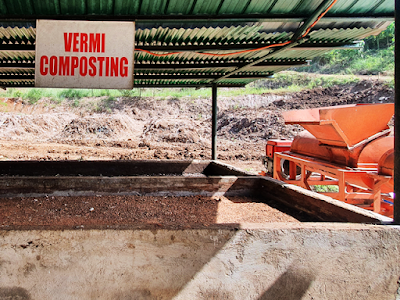

Image of vermi composting project.


Multiple definitions for sustainable agricultural practices exist, but they are mostly complementary to each other. Three of these definitions are listed below:


According to an article on Greentumble.com titled 10 Sustainable Agriculture Methods and Farming Practices,” sustainable agriculture is defined as a food system that emphasizes local production, reduces chemical use, conserves energy and water, and values biodiversity. This type of agriculture must prioritize the needs of people by providing nutrient-rich food and improving rural quality of life, while also being profitable and incorporating ecologically sound farming practices that promote healthy biodiversity and resource management.


Meanwhile, sustainable agricultural practices involve the efficient use of natural resources, reducing the impact of agriculture on the environment, and increasing the capacity to adapt to climate change. These practices include crop rotation, increased crop diversity, use of cover crops, no-till and reduced-till systems, integrated pest management (IPM), integration of livestock and crops, sustainable agroforestry practices, and precision farming. Proper management of natural systems and resources is necessary to achieve environmental sustainability in agriculture, which can provide important public goods through ecosystem services. This definition was an adaptation from an excerpt from the new policy brief “Achieving sustainable agricultural practices: From incentives to adoption and outcomes” by Valeria Piñeiro, Joaquín Arias, Pablo Elverdin, Ana María Ibáñez, Cristian Morales Opazo, Steve Prager, and Máximo Torero. The brief is drawn from A Scoping Review on Incentives for Adoption of Sustainable Agricultural Practices and Their Outcomes,” (Piñeiro et al. 2020, Nature Sustainability).


Finally, the USDA National Institute of Food and Agriculture says that sustainable agricultural practices are intended to protect the environment, expand the Earth’s natural resource base, and maintain and improve soil fertility. Based on a multi-pronged goal, sustainable agriculture seeks to:

  • Increase profitable farm income.
  • Promote environmental stewardship.
  • Enhance the quality of life for farm families and communities.
  • Increase production for human food and fiber needs.


Marginal Investor will focus on three subcategories of sustainable agricultural practices in this post. These money-making projects are:


  • Soilless sustainable farming systems

This involves the use of soilless systems such as aeroponics, aquaponics, and hydroponics to grow crops using significantly less water and land compared to traditional farming methods. This reduces the environmental impact of crop production, particularly in areas with limited water resources or poor soil quality.


  • Fungi-based sustainable production

This refers to the cultivation of fungi such as mushrooms using environmentally friendly methods. Fungi-based production is a sustainable alternative to meat production and has a lower environmental impact than conventional livestock farming.


  • Soil-based sustainable production

This involves the use of sustainable soil management practices such as vermicomposting and vermiculture. These practices improve soil fertility and reduce the need for chemical fertilizers and pesticides, which can harm the environment and human health.


Note: Our categories are just one possible way to group these agriculture-related topics, and other groupings are also possible.

Related page: 


Monday, March 13, 2023

Building Wealth in Later Life: Investment Opportunities for the Fourth Quarter (Ages 55-65)

The Starter Investor Tips on Investing for the 55-65 Age Group

Effective from our update on April 5, 2023, we have rebranded from Marginal Investor to The Starter Investor. For additional details, please visit our About Us page.

Updated April 6, 2023

AT THIS STAGE OF LIFE, is it possible to end the fourth quarter of the game of money with something significant, even if you only have a small amount to start with? Our life has come full circle since we started this blog in 2009, and we find ourselves back to square one. But now, in the so-called "fourth quarter of life" (ages 55-65, arbitrarily), we're determined to make the most of what we have. To begin with, we have a budget of Php5,000.00, and we're ready to explore our investment options.


Game of money

Robert Kiyosaki, the author of Rich Dad Poor Dad, breaks the game of money into four quarters, each representing a ten-year period of a person's life. These quarters are 25 to 35 (first quarter), 35 to 45 (second quarter), 45 to 55 (third quarter), and 55 to 65 (fourth quarter). Kiyosaki encourages people to increase their financial intelligence to retire young and start enjoying life instead of working hard all their life and being old. You may watch the video presentation entitled Investing In The four quarters Of Life -Robert Kiyosaki by The Rich Dad Channel in YouTube. 


Quarters of life

You may also read an excerpt to to a self-improvement meeting shared by Cori&BelleFOUR QUARTERS OF LIFE - THE REAL GAME OF LIFE (ebonydad.com) discussing the same concept. In summary, the speaker used an analogy from Robert Kiyosaki's book 'Rich Dad, Poor Dad' to break down life into four quarters, with each quarter representing a 10-year interval. The first quarter represents the time from age 25-35 when most people are focused on building their careers and establishing themselves. The second quarter represents the time from age 35-45, when people focus on family and material possessions. The third quarter represents the time from age 45-55, when people start to worry about retirement and wonder if they have saved enough. The fourth quarter represents the time from age 55 and up, when people may have to work past retirement age and have regrets about how they played the game of life.


Our understanding

To our mind, we understood the four quarters of the game of money this way:

  • First quarter (age 25-35): Focused on building a career and laying the foundation for future success.
  • Second quarter (age 35-45): Focused on expanding wealth and building businesses.
  • Half-Time or the Mid-Life Crisis
  • Third quarter (age 45-55): Focused on maximizing wealth, enjoying the fruits of one's labor, and planning for retirement.
  • Fourth quarter (age 55-65): Focused on preparing for retirement, spending time with loved ones, pursuing personal interests, and giving back to the community.
  • Overtime (age 65 and beyond): Focused on retirement, legacy building, and enjoying the later stages of life.


Retirement fund options

In a blog post titled 5 of the Best Retirement Fund Methods in the Philippines on www.fwd.com.ph, Sheen Moringa listed several options, including pension plans, Personal Equity Retirement Account (PERA), investment funds, and real estate. Experts recommend investing in multiple plans or a combination of these options for long-term financial security.


Building wealth guide

In an article published on iMoney.ph titled Building Wealth: A Step-By-Step Guide, the author imoney, discusses the four phases of financial life, which are similar to those proposed by Robert Kiyosaki. Francisco Colayco, the founder of Colayco Financial Education, has been helping Filipinos manage their money and build wealth since the early 2000s. Colayco divides financial life into four phases: Start-up, Build-up, Asset allocation, and Retirement. According to him, the key to progressing from one phase to the next is to increase passive income through saving and investing. To move up to the next financial phase, individuals must increase their passive income by setting financial goals for each life phase. Colayco warns against three major mistakes: premature acquisition of assets, living beyond one's means, and falling for scams.


Best investments in 2023

Moneymax Editorial Team has a longer list in its blog post titled Reach Your Financial Goals with the Best Investments in the Philippines. Marvin Fausto, founding President of the Fund Managers Association of the Philippines (FMAP), advises investing with a purpose. Some of the best investments in the Philippines with great earning potential in 2023 and beyond include time deposits, money market funds, short-term corporate bond funds, high-yield savings accounts, GInvest, and certificates of deposits. For low-risk investments with short investment durations, it is best to choose liquid assets such as time deposits and money market funds. For medium-term goals, it's best to put money in a mix of risky and less risky investments, including Balanced funds and equity-based UITFs and Pag-IBIG MP2. For long-term goals, one can invest in mutual funds, equity funds, bond funds, real estate investment trusts, and the stock market.


Best investment based on one's budget

The article titled How To Grow Your Money: 21 Best Investments in the Philippines for Any Age or Income written by Moanna Santos in FilipiKnow, provides guidance on choosing the best investment based on one's budget, risk profile, age, and investment goals. The aim of investing is to build wealth over time, protect money from inflation, provide passive income, and reach financial goals faster. There are many investment options to evaluate, and the article offers advice on whether to start investing with a small or large amount, whether a fund manager is worth it, and whether investing in stocks is better than real estate. The article lists 21 best investments in the Philippines for any age or income.


GInvest: Our Budget-Friendly Investment Option

To meet our budget constraints, we require an investment option that starts with a modest amount of Php5,000. Grace Maala's YugaTech article GCash’s GInvest: What you need to know, provides valuable insights on how to begin investing using the platform. Although the article was published on May 10, 2021, and some changes to GInvest have since been made, it still serves as an excellent guide. Marginal Investor suggests giving it a read.


From vision to action

To start investing with GInvest, we need to have funds in our GCash account. You can fund your GCash account through various channels such as bank transfers, online payment platforms, or by going to a GCash partner outlet. Once we have funds in our GCash account, we can start investing in GInvest.


And there you have it, a fresh start towards a new beginning of investing for the fourth quarter of life.

Join us as we embark on our investment journey! We are currently in the process of getting verified, and as soon as we're ready, we'll start investing with our Php5,000.00 starting capital. Stay tuned as we share our progress with you.

Search This Blog

TradingView